culture
Albuquerque Transformed From Tiwa Settlement Into Railroad Hub Since 1706
The city's story begins with early inhabitants along the Rio Grande and continues through its 1706 founding and later shifts sparked by the railroad.
How we reported this
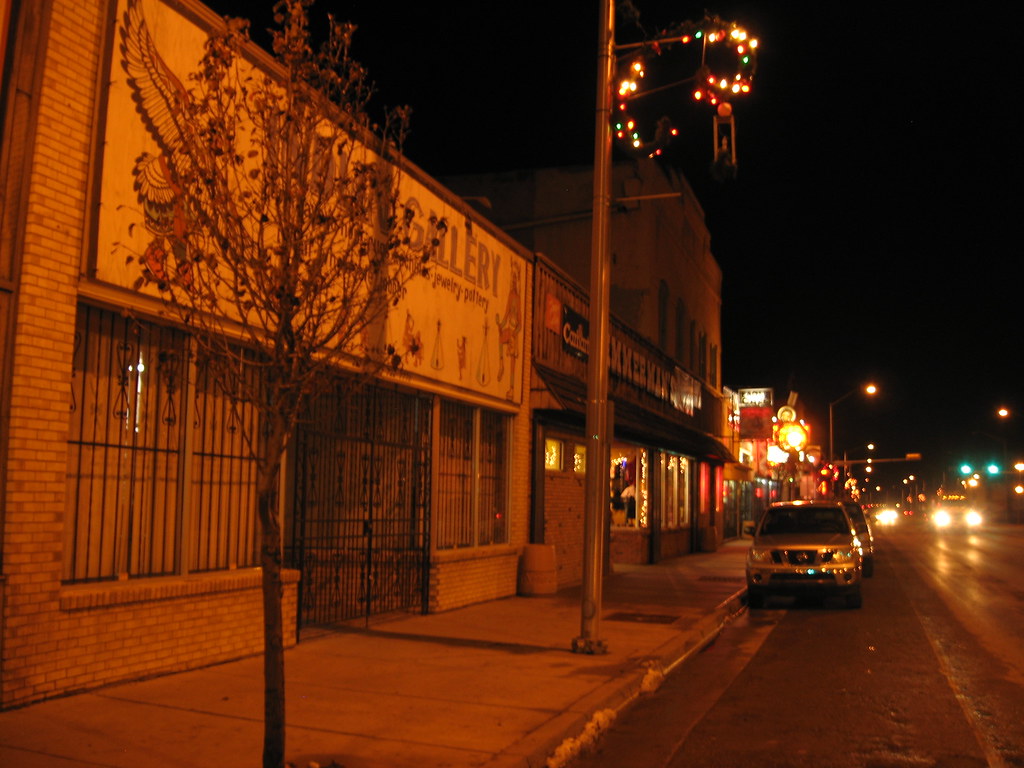
Albuquerque traces its official origins to 1706 when Spanish Governor Francisco Cuervo y Valdés established La Villa de San Francisco Xavier de Alburquerque, named after the Duke of Alburquerque in Spain. This founding marked the start of the settlement that grew into the modern city.
Pre-Spanish Settlement Along the Rio Grande
Before Spanish colonization the Tiwa people had settled the Albuquerque area around 1250. By the 1500s approximately 20 Tiwa pueblos stood along the Rio Grande valley, forming the earliest documented communities in the region.
Old Town Plaza as the Original Center
The Old Town Plaza remains the birthplace of Albuquerque. It is anchored by the San Felipe de Neri Church, the oldest surviving building in the city, which was constructed in 1706. These landmarks preserve the layout and structures from the Spanish colonial period.
Railroad Arrival and Shift to New Albuquerque
The arrival of the railroad in 1880 two miles east of Old Town sparked the growth of New Albuquerque. Business activity and the County Courthouse moved to the new town, leading Old Town to decline by the 1930s. This relocation reshaped the city's commercial and administrative core.
These documented transitions show how successive layers of settlement and infrastructure shaped Albuquerque's geography. Residents and visitors can explore the sequence through self-guided history tours that connect the Rio Grande valley sites with Old Town Plaza and the later railroad corridor.
Practical next steps include walking the Old Town Plaza to view the San Felipe de Neri Church and consulting resources from Visit Albuquerque for routes that cover the 1706 founding locations and the 1880 railroad alignment. Such visits provide direct access to the physical evidence of each phase without requiring additional interpretation beyond the established dates and places.