news
Community Voices Highlight Traffic Woes in Albuquerque
Residents describe daily struggles with road conditions and transit access across the city.
How we reported this
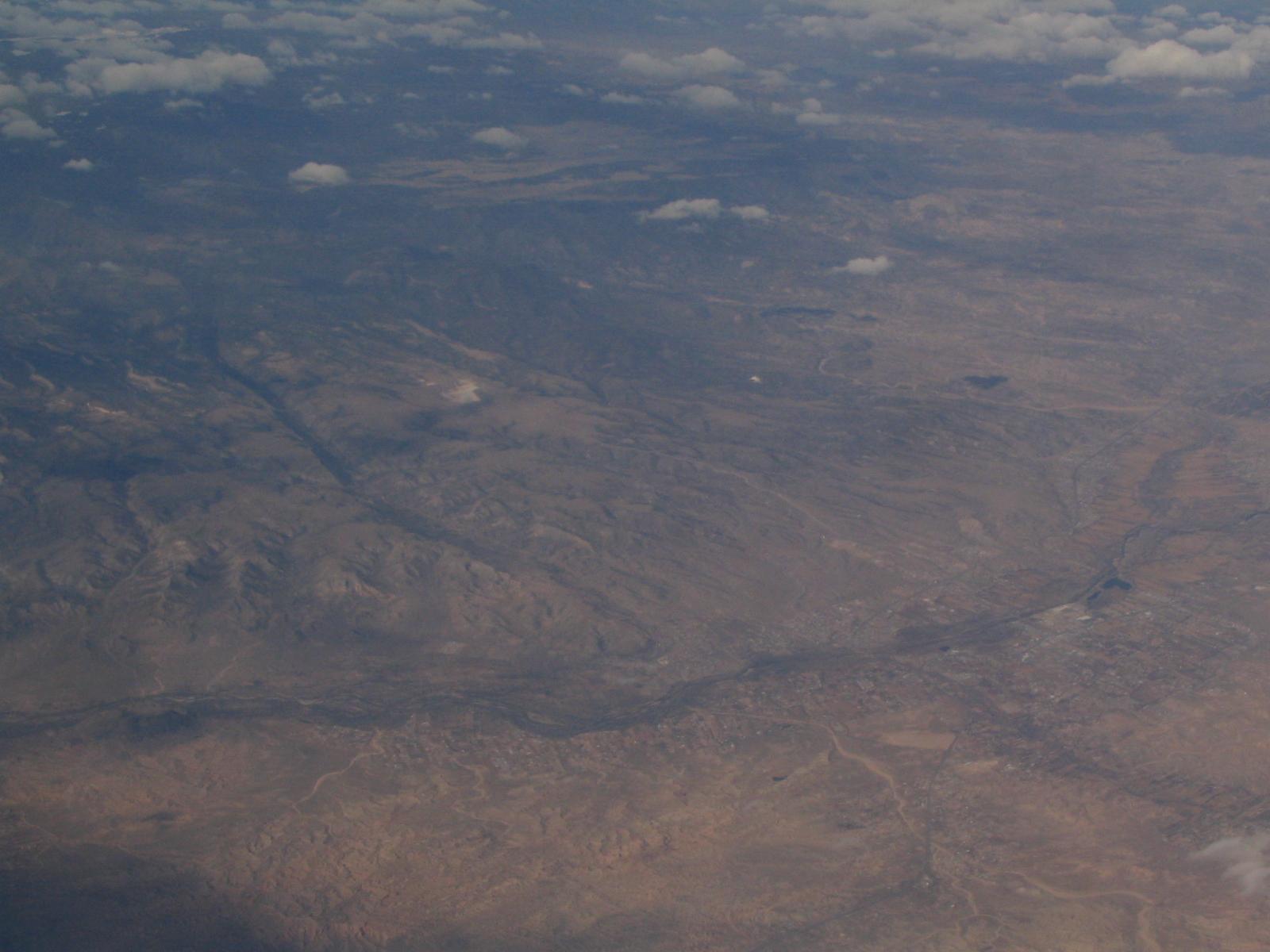
Albuquerque residents are speaking up about the difficulties they face getting around the city each day.
These conversations arise as the metro area grows and more people rely on the same set of roads and bus lines to reach jobs, schools and appointments.
Stories from daily commutes
Longtime locals note that certain stretches of road now require extra time to cross during morning and evening hours. Families mention adjusting school drop-off times to avoid repeated delays at key intersections. Workers report that bus routes serving outlying neighborhoods often leave them waiting longer than expected, especially when heading toward central employment centers.
One parent explained that the combination of construction zones and heavy truck traffic forces constant rerouting, cutting into time spent with children after work. Another resident who uses public transit described inconsistent connections between lines, which turns a single trip into a chain of transfers that sometimes stretch past an hour.
These accounts come from people living in established neighborhoods as well as newer subdivisions on the edges of town. They point to the same pattern: infrastructure that once handled lighter loads now carries heavier demand without matching improvements in capacity or timing.
Practical steps residents consider
Many affected community members recommend monitoring city transportation alerts for temporary lane closures before leaving home. Some suggest testing alternate surface streets during off-peak periods to gauge whether those options shorten travel times on a given day. Others advise keeping backup plans for rideshares or carpool arrangements when schedules slip.
City officials have invited further public input through regular meetings on mobility planning, giving residents additional chances to share specific examples from their own routes. The focus remains on gathering these firsthand observations to guide future adjustments.