news
Albuquerque Traffic Congestion Worsens, Residents Demand Better Urban Mobility Solutions
Increasing vehicle congestion in Albuquerque affects daily commutes and local community wellbeing.
How we reported this
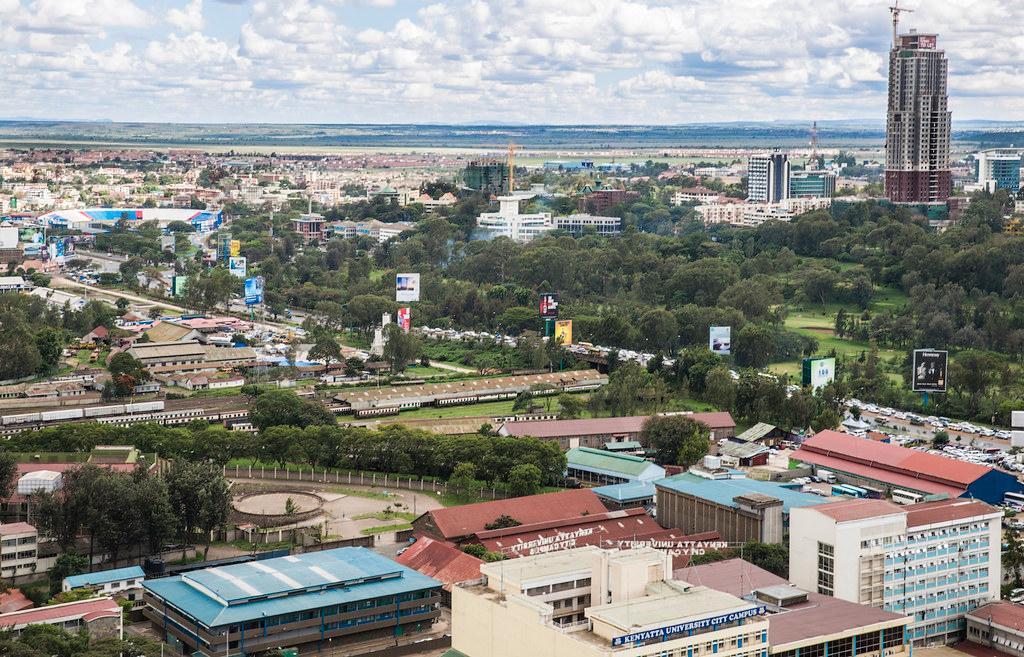
Albuquerque residents are confronting growing frustrations with traffic congestion and transportation inefficiencies impacting their daily lives and local neighborhoods.
With Albuquerque’s steady population growth and expanding urban areas, transport and traffic have become pressing issues. More vehicles on city streets contribute to longer commute times, increased pollution, and strain on infrastructure that was not originally designed for current volumes.
Local Impact on Commuting and Communities
In particular, areas such as Central Avenue, which serves as a major corridor, and the neighborhoods surrounding the University of New Mexico, face frequent traffic delays. These bottlenecks reduce accessibility and affect economic activity, as residents struggle to reach schools, workplaces, and local businesses. Community members also note that increased traffic compromises pedestrian safety, especially in residential zones where families and children walk or cycle.
Public transportation options are available but many Albuquerque residents find bus services do not adequately cover all neighborhoods or operate with sufficient frequency, leading to a predominance of car use. Efforts by city officials to promote multi-modal transit, including bike lanes or pedestrian-friendly initiatives, aim to address some of these concerns but face logistical challenges.
Community Concerns and What Lies Ahead
Local advocacy groups have voiced concerns about the long-term consequences of worsening traffic-ranging from environmental impacts to quality of life. While no specific recent statistics have been published in the available sources, ongoing reports from residents highlight increasing commute times and suggest a need for sustainable urban planning.
Moving forward, Albuquerque’s residents are advised to stay informed on city transportation initiatives and participate in public forums when planning projects are discussed. Exploring alternative transit options, adjusting travel times, or utilizing carpool arrangements could offer some relief during peak congestion. City officials and transportation planners will continue to evaluate infrastructure and services to better accommodate Albuquerque’s evolving traffic demands.