news
Transport Decisions and Their Ripple Effects on Albuquerque Communities
Understanding how traffic and transport developments shape daily life and local neighborhoods in Albuquerque.
How we reported this
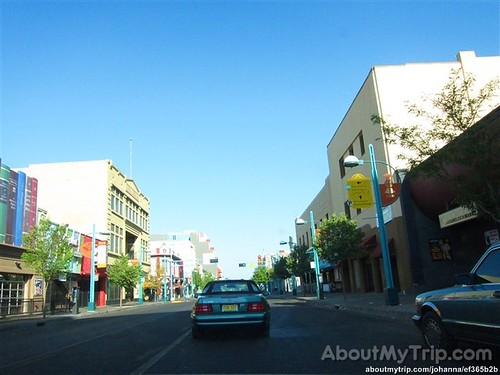
Transportation changes often go unnoticed until they directly affect residents, yet these shifts hold significant consequences for Albuquerque’s neighborhoods and overall community dynamics. While recent high-profile international events occupy national headlines, local transport and traffic conditions quietly influence the rhythms of daily life here in New Mexico’s largest city.
Why Transport Matters Now in Albuquerque
Albuquerque residents are feeling the effects of evolving traffic patterns and transportation infrastructure decisions as the city grows and adapts. Daily commutes, access to key services, and neighborhood connectivity all hinge on how well Albuquerque can manage its transport network amid shifting demands. Traffic congestion, road safety, and transit availability remain persistent topics of discussion between city planners and community groups. Though no singular policy or project is dominating headlines, the incremental impacts accumulate, particularly on those relying on public transit or living in areas with limited transportation options.
Local Impact on Neighborhoods and Daily Life
In Albuquerque, the mix of urban and suburban environments presents particular challenges. Major corridors such as Central Avenue and Broadway Boulevard often experience rush-hour gridlock that stretches commute times and affects local small businesses dependent on steady customer flows. Meanwhile, neighborhoods in the Northeast Heights or near Old Town face different transportation hurdles-ranging from pedestrian safety concerns to limited public transit routes.
Local organizations advocating for improved transit options point to how transportation affects equity and accessibility in Albuquerque. Residents without reliable personal vehicles depend on bus routes and paratransit services to reach work, education, and healthcare appointments. Challenges with route frequency, coverage areas, and service reliability can isolate vulnerable populations and reduce opportunities. These dimensions underline why transportation planning is more than just moving cars-it directly ties to community well-being.
Though the city has rolled out various initiatives over the last few years to enhance biking infrastructure and introduce electric bus programs, substantial hurdles remain. Infrastructure aging in some neighborhoods requires upgrades, and long-standing traffic congestion issues remain unresolved in key corridors. These conditions influence everything from air quality to economic vitality for local businesses and residents alike.
Community feedback sessions conducted by Albuquerque’s Transit Department reveal diverse concerns, including the desire for safer pedestrian crossings, more direct and frequent bus lines, and a reduction in traffic noise in residential areas. These discussions highlight how transport is interconnected with quality of life issues for Albuquerqueans.
Moving Forward: What Residents Can Expect
While no immediate blockbuster transport overhaul is slated, ongoing community engagement and incremental project development will shape Albuquerque's transport landscape. Residents can anticipate continued dialogue within neighborhoods and through city forums to tailor solutions to local needs.
Practical advice for residents includes staying informed through Albuquerque’s municipal transit updates and participating in neighborhood meetings or surveys. Engaging with local advocacy groups focused on sustainable and inclusive transportation can also amplify community voices in planning decisions.
Ultimately, transport and traffic developments influence much more than just travel times in Albuquerque. They affect access to opportunities, public health, local economies, and the fabric of neighborhood life. Paying attention to these changes-and contributing to the conversations around them-helps ensure that Albuquerque’s growth benefits all its residents.