news
Albuquerque Traffic Changes This Week: What Residents Need Know
An update on recent shifts in local transportation and traffic flow affecting Albuquerque residents.
How we reported this
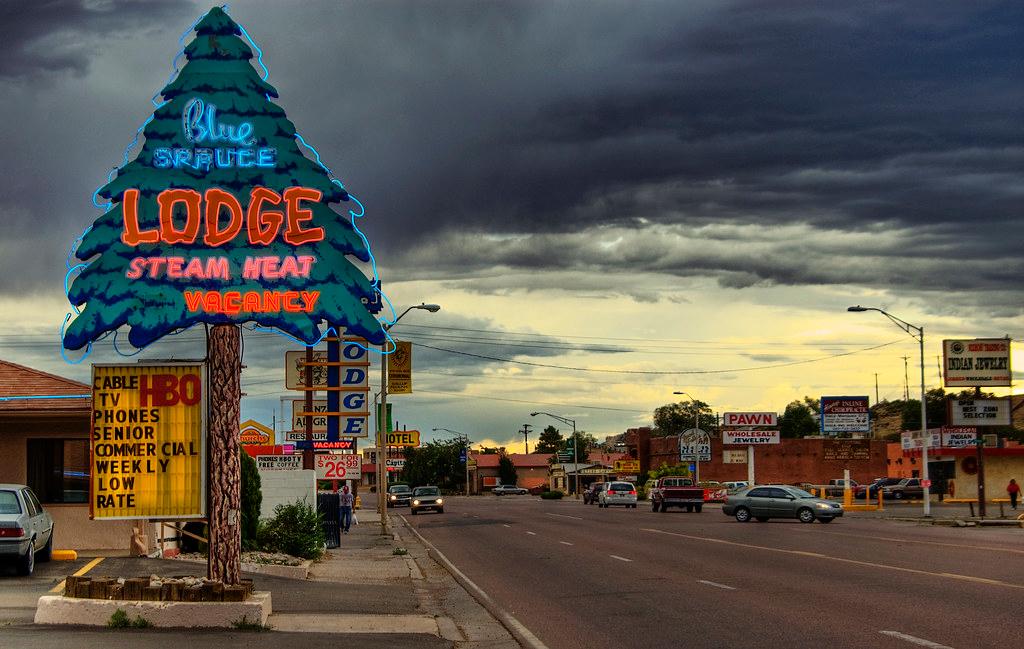
Albuquerque residents noticed some shifts in traffic patterns and transportation use this week as the city adjusts to ongoing urban and regional changes. While no major infrastructure announcements were reported, daily travel routines reflected the broader influence of national and global economic and security issues.
Traffic Flow and Local Transportation Trends
This week, the impact of wider geopolitical events, notably the tensions around the Strait of Hormuz, has underscored uncertainties in fuel markets, indirectly affecting fuel prices and availability in Albuquerque and across the nation. This dynamic, although not linked to a specific local event, influences daily commutes and transportation costs.
Locally, Albuquerque's traffic patterns continue to showcase seasonal fluctuations common to the city’s diverse neighborhoods. Earlier summer holidays and the warmer weather generally increase road usage as residents travel to outdoor and recreational areas. Although no official traffic control changes were implemented this week, anecdotal observations from commuters indicate variable congestion on key arteries like Central Avenue and Interstate 40, particularly near commercial zones.
Understanding the Broader Context and What It Means for Albuquerque
Albuquerque serves as a regional hub connecting New Mexico’s communities, so any shifts in national fuel supply or cost reverberate here. The recent exchanges of strikes involving U.S. and Iranian forces have stirred global attention to energy routes essential for both domestic and international economies. Such sensitive geopolitical climates can cause fluctuations in fuel prices, indirectly impacting city transportation budgets and household expenses, making it harder for residents to plan consistent daily travel.
Furthermore, potential disruptions abroad often redirect national priorities, which can delay investment in urban infrastructure or public transit enhancements at home. Albuquerque’s strategic planning around growing population and urban development is dependent on stable conditions beyond the city’s borders.
While this week's developments did not include immediate policy changes or new roadway projects, they remind local officials and residents of their city's interconnectedness with wider global events.
Looking Ahead: Navigating Daily Commutes and Travel Plans
Albuquerque travelers and commuters should remain aware of possible fuel price variations and plan accordingly. Staying informed through local news outlets and transportation agencies will be important in adapting to any changes that might arise from shifting economic and energy landscapes.
Residents are encouraged to consider carpooling, public transit options, or flexible trip timings to minimize congestion impacts. Civic groups and transportation authorities continue to analyze traffic data and community needs to guide future improvements, which may emerge once external conditions stabilize.
For now, maintaining routine vigilance and leveraging existing travel alternatives remain the best strategies for Albuquerque drivers and transit users.