news
Understanding Albuquerque’s Local Government Decisions: A Look at the Background and How We Got Here
Exploring the factors shaping recent policy choices in Albuquerque’s city government and what led to today’s outcomes.
How we reported this
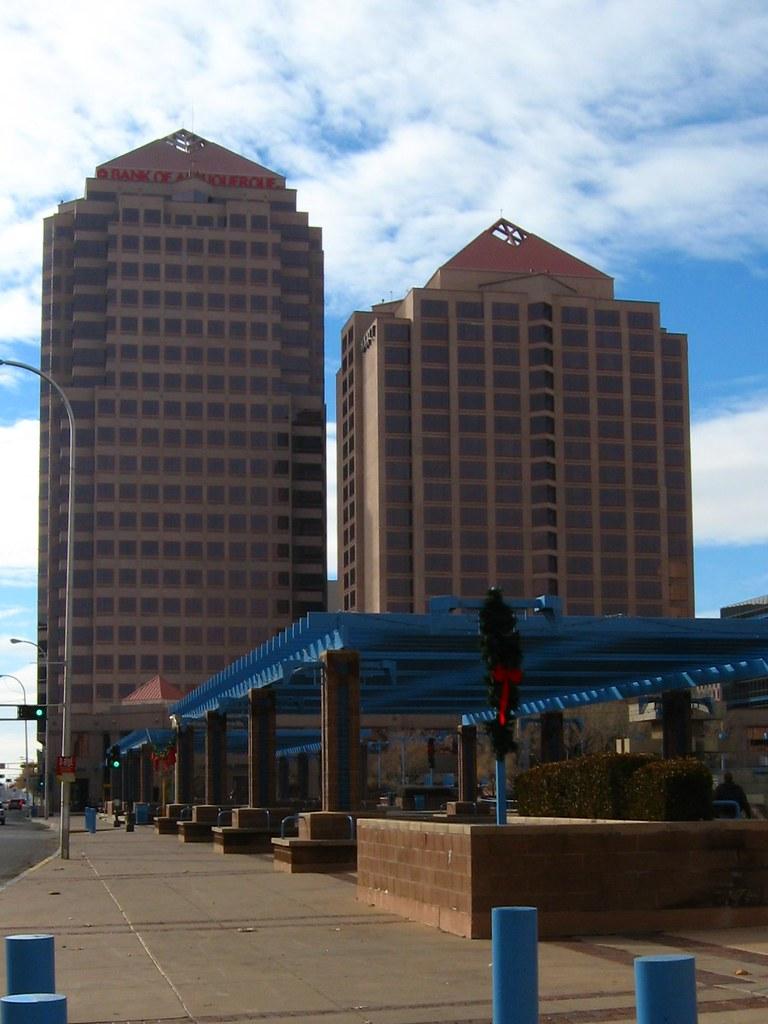
Albuquerque’s city government has recently made a series of important decisions affecting urban development, public safety, and resource allocation. While specific details of these decisions are varied, understanding the background context offers insight into how the city arrived at its current course amid ongoing challenges.
Why This Matters Now
The significance of local government actions is heightened as Albuquerque confronts pressures that affect everyday life for its residents. The city faces competing demands from community members, economic factors, and infrastructure needs. Decisions made now will shape Albuquerque’s urban landscape and social fabric for years to come.
Financial constraints, public safety concerns, and urban growth patterns all contribute to the complex environment where city leaders must operate. The context of broader national and regional developments also plays a role, affecting budgets, policy priorities, and community expectations.
Local Details and Developments
Albuquerque’s neighborhoods, such as Nob Hill and the International District, each face unique issues that guide specific local initiatives. Public forums and city council meetings have highlighted concerns from residents about housing affordability, road maintenance on thoroughfares like Central Avenue, and public transit options. Meanwhile, city organizations, including the Albuquerque Development Commission, have been central in shaping urban planning projects.
Public safety priorities have also influenced decisions recently. The city has been investing in community-based programs while balancing the need for traditional policing resources. Discussions noted in city meetings underscore how leadership aims to find the right balance amid varied resident feedback.
Evidence and Trends Behind the Decisions
Although comprehensive data points are not currently available in detail, qualitative evidence from city council reports and community input sessions reveals a pattern of prioritizing incremental improvements supported by public consensus. The deliberations suggest a cautious approach that seeks to align with budget realities and community aspirations.
In addition, the city’s strategic planning documents and publicly available minutes indicate ongoing efforts to address infrastructure backlog and target resources toward areas with the greatest need. This approach reflects an understanding that sustainable, equitable development requires measured steps rather than sweeping reforms.
From urban redevelopment to public safety strategies, Albuquerque’s local government appears to be navigating complex, interconnected challenges thoughtfully, guided by community engagement and practical constraints.
Looking Ahead: What Residents Can Expect
For Albuquerque residents, the recent round of local government decisions signals a period of gradual adjustment. City officials have emphasized listening to public input and adapting plans accordingly, making community engagement essential.
Practical advice for residents includes staying informed through city council agendas, participating in neighborhood meetings, and engaging with local organizations active in urban development and safety efforts. This proactive involvement helps ensure that future decisions reflect the diverse interests within Albuquerque’s population.
Overall, the backdrop of these local government choices illustrates a city striving to balance growth, equity, and well-being in an evolving urban environment.